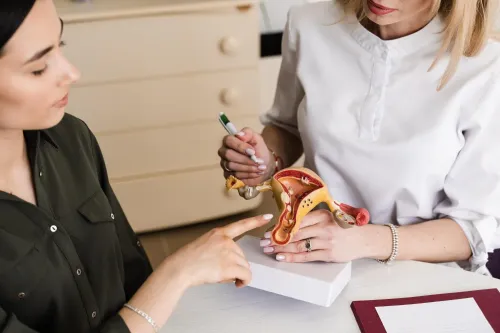
Polycystic Ovarian Disease (PCOD) is one of the most common hormonal conditions affecting women of reproductive age. While some women experience only mild symptoms, others may face challenges related to irregular periods, weight gain, acne, or difficulty conceiving. Seeking timely care from a gynecologist for PCOD treatment can help manage symptoms effectively and improve long-term reproductive health.
PCOD occurs when hormonal imbalance affects the normal functioning of the ovaries. This may interfere with ovulation and lead to irregular menstrual cycles. The condition varies from person to person, which is why individualized medical evaluation is important.
Common symptoms of PCOD include:
- Irregular or missed periods
- Excessive facial or body hair
- Persistent acne
- Weight gain or difficulty losing weight
- Hair thinning
- Darkened skin around the neck or underarms
- Difficulty becoming pregnant
Although these symptoms can be concerning, PCOD can often be managed successfully through a combination of lifestyle modifications and medical treatment. Early diagnosis also reduces the risk of complications such as diabetes, high blood pressure, and endometrial problems.
Diagnosis may involve:
- Review of menstrual history
- Physical examination
- Ultrasound scan
- Blood tests to evaluate hormone levels
Treatment depends on a woman's age, symptoms, and future pregnancy plans. It may include dietary guidance, regular exercise, medications to regulate menstrual cycles, hormonal therapy, or fertility support when required.
Women living near Hosa Road, Bengaluru, often seek timely gynecological consultation to better understand their symptoms rather than relying on self-diagnosis or online advice. Early medical guidance can prevent unnecessary delays in treatment.
Dr. Suparna Ganguly provides comprehensive evaluation and personalized management for women with PCOD. The treatment approach focuses on improving hormonal balance, managing symptoms, and supporting reproductive health through evidence-based care.
PCOD is a long-term condition that requires regular monitoring rather than temporary treatment. With the right medical support and healthy lifestyle choices, many women successfully manage symptoms, maintain regular menstrual cycles, and achieve healthy pregnancies when they are ready.
Keywords