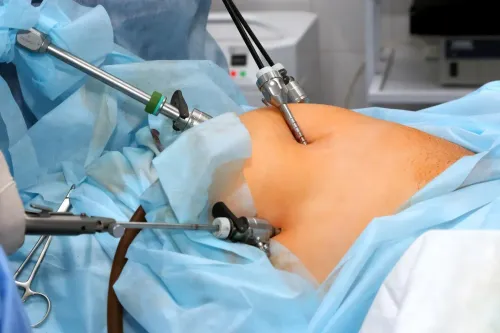
A delivery discussion needs to cover more than a preferred birth method. You need clear answers about your pregnancy, the hospital’s emergency capabilities, pain relief, possible changes to the plan and care for both of you after birth.
Key takeaways
- Bring your pregnancy history, scan findings, medicines and previous surgery details.
- Write preferences for labour, pain relief, mobility and newborn care, then plan alternatives.
- Ask which findings could change birth timing, delivery route or need for intervention.
- Confirm hospital facilities, emergency arrangements, discharge timing and postpartum support.
What should you ask at the first delivery-planning consultation?
Bring a written summary to the first delivery-planning consultation: your gestational age, previous births, pregnancy losses and complications, prior Caesarean or uterine surgery, medical conditions, medicines, fetal presentation, estimated growth, and whether you are carrying twins. Ask how the placenta’s position and appearance affect the plan, especially after a Caesarean or with a low-lying placenta.
Ask the obstetrician:
- How many patients with my specific condition, uterine scar, placenta concern or twin pregnancy have you managed?
- Who will provide care if you labour outside your appointment doctor’s hours, and what backup obstetrician, anaesthetist and midwifery team are available?
- If I am low risk, when would induction be reasonable? Discuss cervical favourability, a potentially long induction, and why evidence from the ARRIVE trial applies only to selected first-time mothers.
- If I have had a Caesarean, what is the uterine incision type, is TOLAC suitable, and can this hospital perform an emergency Caesarean immediately?
- When will group B streptococcus testing occur, and what happens if the result is positive, unknown or too early to remain valid?
| Setting | Confirm | Why it changes the plan |
|---|---|---|
| Local maternity unit | Emergency Caesarean, blood transfusion, anaesthesia and neonatal resuscitation | These services must be available rapidly |
| Referral centre | Maternal intensive care, neonatal intensive care and an experienced accreta team | Placenta previa or a low placenta with a prior Caesarean needs specialist planning |
| Birth centre or home | Transfer time, transport and receiving hospital | A delay can matter when complications develop |
How do you turn birth preferences into a flexible delivery plan?
Write a birth plan as a set of preferences and decision points, not a promise that labour will follow one route. State that your preferred vaginal birth remains the goal while naming the clinical findings that would change monitoring, movement, pain relief or the mode of birth.
Record these preferences clearly:
- Who you want as your birth partner, and who may join if circumstances change.
- Whether you want mobility and positions, including upright, side-lying or hands-and-knees positions, and which pushing positions you prefer.
- Which pain-relief options you want to try first, and whether you would accept an epidural or combined spinal-epidural if labour becomes prolonged or more painful.
- Whether you prefer intermittent or continuous fetal monitoring when both are clinically safe.
- What you would want explained before induction, assisted vaginal birth or Caesarean delivery.
- Whether skin-to-skin contact after a Caesarean and routine newborn care can proceed if you or the baby need treatment.
Ask your obstetrician to add alternatives beside each preference. For example, continuous monitoring may restrict walking; an epidural may alter sensation and mobility; fetal distress may require assisted birth or Caesarean delivery; neonatal resuscitation may delay skin-to-skin contact.
Confirm where emergency Caesarean surgery, blood transfusion, anaesthesia, neonatal resuscitation and intensive care are available. Ask which findings would trigger each change, who would decide, and how the team will explain the reason before acting when time permits.
Which pregnancy findings could change the timing or route of birth?
Gestational age, fetal growth, presentation, placenta position and maternal health can change both the timing and route of birth. Ask what each finding means now, what could change before labour, and which result would make induction, vaginal birth, TOLAC or Caesarean delivery safer.
| Finding | Decision it may affect | What to ask |
|---|---|---|
| Low-lying placenta or placenta previa | Vaginal birth may be unsafe if the placenta covers the cervix | Has it moved, and is repeat ultrasound needed? |
| Placenta over a prior scar, or suspicious ultrasound features | Possible placenta accreta spectrum; delivery may require an experienced centre and planned Caesarean | Do I need specialist imaging, blood-loss planning or referral? |
| Breech presentation near term | External cephalic version may avoid immediate Caesarean | Is version suitable at 36–37 weeks, given fluid, placenta position and fetal position? |
| Large or small estimated fetal size, twins or abnormal fluid | Earlier birth, additional monitoring or Caesarean may be discussed | How reliable is the estimate, and what threshold changes the plan? |
| Prior Caesarean section or uterine surgery | TOLAC, repeat Caesarean or timing of birth depends on the scar | What is my uterine incision, and can the hospital perform an emergency Caesarean immediately? |
For an uncomplicated pregnancy, elective induction is not ordinarily planned before 39 weeks without a medical reason. At 39 weeks, discuss cervical favourability and the chance of a long induction; the ARRIVE trial applies to selected low-risk first-time mothers, not every pregnancy.
Ask about hypertension, diabetes, bleeding, reduced fetal movement and other complications, because each can alter timing.
What should you understand before agreeing to an intervention?
Before agreeing, ask your obstetrician to explain the recommendation in plain terms: the reason, alternatives, benefits, risks, timing and what happens if you wait. Your consent is a decision, not an automatic consequence of a recommendation.
1. For induction of labour, ask whether your pregnancy needs delivery now, whether waiting or spontaneous labour is safe, and whether the plan changes at 39 weeks. Discuss cervical readiness, the chance of a long induction, and which method fits you, including membrane sweeping, a balloon catheter and medication.
Ask how monitoring, IV access, cervical examinations and mobility will differ from low-risk spontaneous labour.
2. For pain relief, ask which options the facility provides and whether an anaesthesiologist is present around the clock. Epidural analgesia and anaesthesia, including a combined spinal-epidural, need not be withheld solely to prevent Caesarean birth or because you have not reached a particular cervical dilation. Ask about timing, movement restrictions, blood-pressure monitoring and alternatives.
3. For assisted vaginal birth, ask why forceps or a vacuum is being considered, whether waiting or Caesarean surgery is safer, where the instrument will be placed, and the risks to you and the baby. Clarify who performs it and what happens if it fails.
4. For Caesarean surgery, ask the indication, urgency, anaesthesia, incision, bleeding and infection risks, recovery restrictions, newborn care and future pregnancy implications. Confirm whether your support person, skin-to-skin contact and feeding can continue, and what warning signs require urgent help after discharge.
What should you ask about the hospital and recovery after birth?
Ask which hospital can provide an emergency Caesarean, anaesthesia, blood transfusion, neonatal resuscitation and, if needed, maternal or neonatal intensive care without transferring you during a crisis. A normal pregnancy does not remove the risk of postpartum haemorrhage, so ask how the team identifies risk, gives uterotonic medicines and obtains blood products.
1. What happens if labour changes direction? Record acceptable alternatives for assisted vaginal birth, Caesarean anaesthesia, skin-to-skin after surgery and newborn care.
2. How will you respond to postpartum haemorrhage? Ask which warning signs trigger escalation, how your blood transfusion preferences will be documented and who leads the emergency response.
3. What will happen immediately after birth? Confirm delayed cord clamping when you and the baby are stable, its exceptions during urgent care or neonatal resuscitation, newborn procedures, feeding support and access to a paediatric team.
4. What does recovery include? Write down pain control, wound or tear care, mobility, breastfeeding help, contraception, warning signs, the postpartum check-up date and how to seek help for anxiety, depression or frightening birth memories.
A consultation with Dr Suparna Ganguly can turn these answers into a dated birth-and-recovery record, separating firm preferences from decisions that depend on changing clinical conditions. Keep a copy for yourself and ask the hospital team to review it at admission.
Related services
Normal Delivery ₹700 Dr. Suparna Ganguly offers expert care for Normal Vaginal Delivery, helping mothers experience a safe, natural, and positive childbirth journey. View service → |
Obstetrics Obstetrics ₹700 Pregnancy is a special phase in a woman's life, but certain complications may require expert medical care and monitoring. Dr. |
Frequently asked questions
What should you ask at the first delivery-planning consultation?
Ask how your gestational age, previous births, pregnancy losses, medical conditions, medicines, fetal presentation, estimated growth, twin pregnancy status and placenta findings affect delivery planning.
How do you turn birth preferences into a flexible delivery plan?
List your preferences for labour support, movement, pain relief, monitoring, birth position, immediate newborn care and feeding. For each preference, ask what alternative applies if your health or the baby’s condition changes.
Which pregnancy findings could change the timing or route of birth?
Ask how fetal growth, presentation, twins, placenta position, bleeding, blood pressure, diabetes, fetal monitoring and previous Caesarean or uterine surgery could affect induction, planned Caesarean or timing of birth.
What should you understand before agreeing to an intervention?
Ask why the intervention is recommended, what happens if you wait, its benefits and risks, alternatives, effect on labour or recovery, and what findings would make it urgent.
What should you ask about the hospital and recovery after birth?
Confirm the hospital’s labour, operating theatre, anaesthesia, neonatal and emergency facilities. Ask about visitor rules, pain relief, feeding support, expected stay, warning signs and follow-up after discharge.
Related services
Forceps Delivery ₹700 Dr. Suparna Ganguly provides expert obstetric care, including Forceps-Assisted Vaginal Delivery, when medically indicated to ensure the safe delivery... View service → |
Vacuum Extraction Delivery ₹700 Dr. Suparna Ganguly offers expert maternity care, including Vacuum Extraction Delivery, a safe and effective assisted vaginal delivery technique used... View service → |
Painless Vaginal Delivery ₹700 Dr. Suparna Ganguly offers expert care for Painless Vaginal Delivery, helping expectant mothers experience a more comfortable and positive childbirth... View service → |
Caesarean Section (C-Section) ₹700 Dr. Suparna Ganguly provides expert care for Caesarean Section (C-Section) Delivery, ensuring the highest standards of safety and comfort for both... View service → |