Irregular periods, acne, new facial hair or unexplained weight changes do not automatically mean PCOD, and waiting for symptoms to become severe can delay treatment of other conditions. By the end, you will know when to book a routine consultation, when to seek urgent care, what to bring and which tests a clinician may consider.
Key takeaways
- Seek assessment for cycles shorter than 21 or longer than 35 days.
- Book a consultation if you have fewer than eight periods yearly.
- Get urgent care for heavy bleeding, faintness, severe pain, or pregnancy concerns.
- Expect questions about cycles, symptoms, medicines, and possible hormone tests.
Which Period and Hormone Changes Deserve a Consultation?
Book a consultation for repeated irregular periods, not only when you are trying to conceive. In adults, assessment is warranted when cycles are shorter than 21 days, cycles longer than 35 days, fewer than eight periods a year, or any gap exceeds 90 days.
A single late cycle is usually not enough by itself, unless pregnancy is possible, the change keeps recurring, or new PCOD symptoms appear.
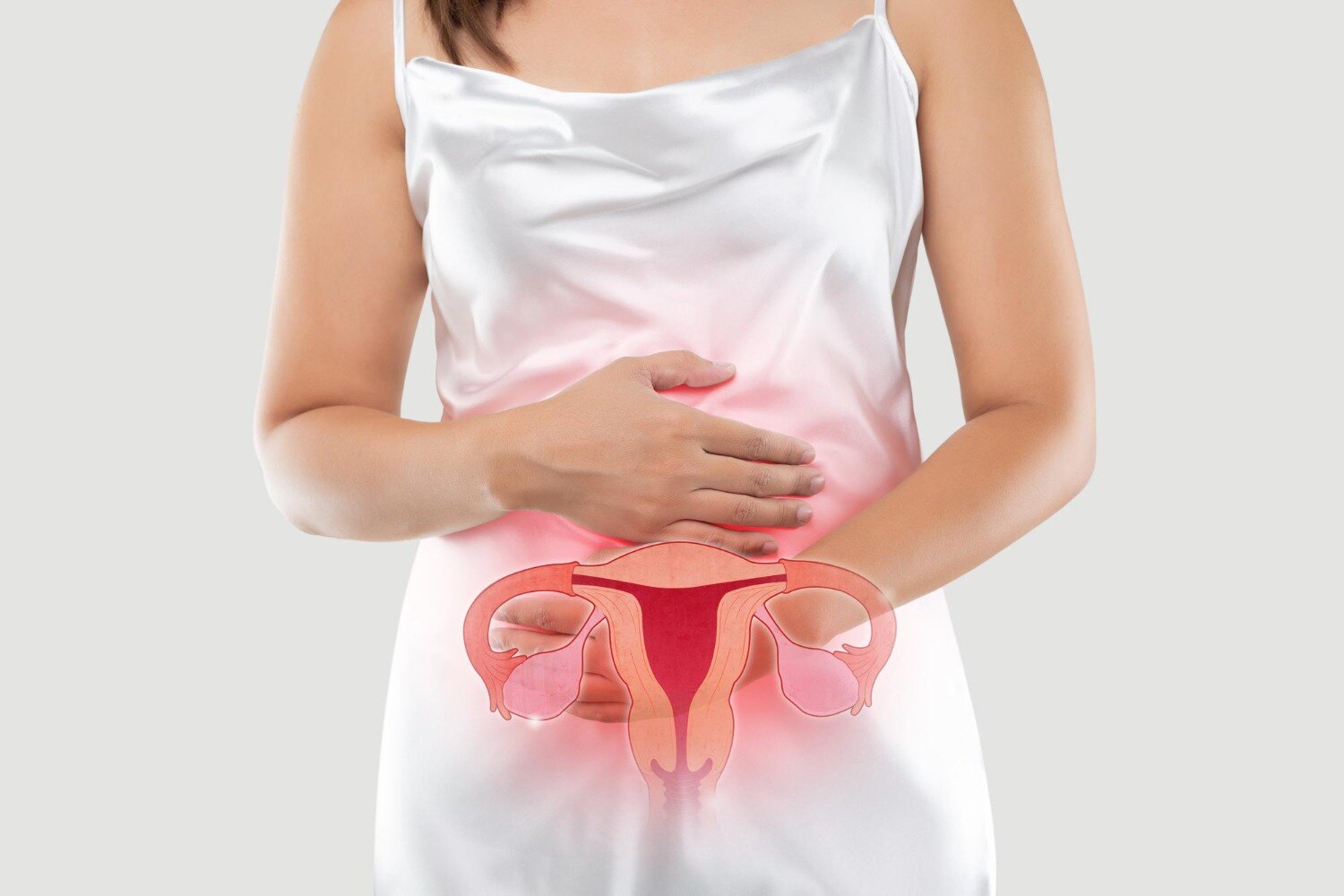
PCOD is used inconsistently and is sometimes treated as interchangeable with PCOS. PCOS is a clinical diagnosis made after excluding other causes, using at least two of three features: ovulatory dysfunction, clinical or blood-test evidence of excess androgens, and polycystic ovarian morphology or raised anti-Müllerian hormone.
PCOS symptoms can include irregular periods, acne, new facial or body hair, scalp hair thinning and difficulty conceiving; PCOD symptoms are not a separate diagnostic standard.
| Pattern | What it means | When to book |
|---|---|---|
| One late or missed period | A temporary change can follow illness, stress, weight change or altered exercise | Test for pregnancy if it is possible; book if the pattern repeats or symptoms develop |
| Cycles longer than 35 days or fewer than eight periods yearly | Ovulation may be infrequent | Arrange a routine assessment |
| No period for 90 days | Prolonged absence needs evaluation | Book promptly, including during the first year after the first period |
| Bleeding longer than seven days, weight change, acne or new hair growth | Hormonal or other medical causes need review | Schedule a consultation |
If you want pregnancy, do not wait a year when periods are very infrequent or absent; ovulation is likely impaired. Persistent irregularity after the first year following menarche also deserves assessment rather than being dismissed as normal puberty.
When Is Irregular Bleeding an Urgent Problem?
Soaking a pad every hour for two hours is a reason to seek prompt medical attention, not wait for a routine gynecology appointment. Heavy menstrual bleeding also needs urgent care when it causes symptoms of significant blood loss:
- Dizziness, fainting, shortness of breath or chest pain
- Severe pelvic pain, especially if it starts suddenly
- Weakness, confusion or difficulty standing
If bleeding is heavy but you feel stable, book a gynecology appointment soon, particularly when it disrupts work, sleep or daily activities. Persistent irregular cycles, bleeding lasting more than seven days or missing periods for three months still require assessment, but they do not automatically indicate an emergency.
Pregnancy with bleeding needs a different level of caution. Take a pregnancy test after a newly absent or markedly delayed period, even if you use contraception. A positive test with one-sided pelvic pain, shoulder-tip pain, dizziness, fainting or vaginal bleeding requires urgent assessment for a possible ectopic pregnancy.
Seek prompt evaluation for sudden androgen-related changes such as rapidly increasing facial or body hair, severe new acne, scalp hair loss, a deepening voice or clitoral enlargement. Rapid progression can signal an ovarian or adrenal problem and should not be assumed to be PCOD.
What Will the First Consultation Check?
The first visit checks whether irregular ovulation is caused by PCOD or PCOS—or by pregnancy, thyroid disease, high prolactin, medication effects, under-eating, excessive exercise, or another condition. Missing periods for three months needs assessment even when an earlier ultrasound suggested polycystic ovaries.
Your clinician will ask about:
- Period dates, cycle length, bleeding duration and flow, including when irregularity began
- Pregnancy possibility, contraception, previous pregnancies, and whether you are trying to conceive
- Medicines and supplements, including hormonal contraception, steroids and medicines that affect prolactin
- Weight change, eating patterns, exercise, blood pressure, glucose symptoms and family history of diabetes or cholesterol problems
- New acne, increased facial or body hair, scalp hair thinning, darkened skin folds or skin tags
- Headaches, vision changes, breast discharge and symptoms suggesting thyroid or adrenal disease
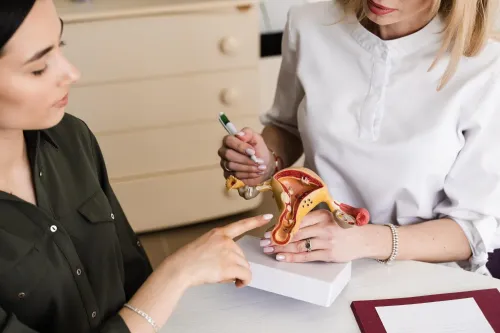
Bring a cycle-app record or calendar, dates of missed periods, home pregnancy-test results, and a complete medicine and supplement list. Take previous blood-test reports and ultrasound reports too, but do not assume a scan settles the diagnosis.
The clinician may arrange pregnancy testing and targeted evaluation, or refer you to primary care or an endocrinologist when the findings point to diabetes, thyroid or adrenal disease, difficult androgen abnormalities, or rapid virilisation.
Which Tests May Be Needed for Hormonal Irregularities?
Testing is matched to your symptoms, cycle pattern, pregnancy possibility and examination findings. PCOS blood tests do not mean one fixed panel for everyone.
- Start with a pregnancy test when periods are newly absent or markedly delayed, even if you use contraception.
- Check thyroid-stimulating hormone (TSH) for thyroid disease and prolactin when missed periods, breast discharge or headaches suggest hyperprolactinaemia.
- Order a testosterone test, usually total testosterone with sex hormone-binding globulin (SHBG), when facial hair, acne or scalp hair thinning indicates androgen excess.
- Add 17-hydroxyprogesterone when androgen excess needs evaluation for nonclassic congenital adrenal hyperplasia.
- Assess glucose with a 75-g oral glucose tolerance test when possible. Fasting glucose or HbA1c is an alternative when that test is impractical; a lipid profile checks associated cardiovascular risk.
| Test choice | What it can show | What it cannot do alone |
|---|---|---|
| Blood tests | Pregnancy, thyroid or prolactin disorders, androgen excess and metabolic risk | Prove PCOS without symptoms, examination and exclusion of other causes |
| Pelvic ultrasound | Polycystic ovarian morphology or another pelvic finding | Diagnose PCOS from ovarian appearance alone |
| Insulin test | A limited metabolic measurement | Confirm PCOS; routine insulin levels and insulin-resistance calculations are not stand-alone diagnostic tests |
If irregular cycles and clinical or biochemical hyperandrogenism are already present, an ultrasound is not required for a PCOS diagnosis. A clinician combines the history, examination and selected results instead of relying on a broad hormone panel.
What Should You Do After an Abnormal Result or Diagnosis?
Three months without a period is a decision point, not a reason to keep waiting. In PCOS-related anovulation, estrogen can stimulate the uterine lining without progesterone, increasing the risk of endometrial hyperplasia. Ask a gynecologist about endometrial protection; the choice depends on pregnancy plans, migraine history, smoking, blood pressure and clot risk.
| Option | Main purpose | When it fits |
|---|---|---|
| Cyclic progestogen | Causes a planned withdrawal bleed | You are not trying to conceive immediately and need periodic lining protection |
| Combined hormonal contraceptive | Regulates bleeding and suppresses endometrial stimulation | You want contraception and have no contraindication to estrogen |
| Levonorgestrel intrauterine system | Delivers progestogen directly to the uterine lining | You want highly effective lining protection, with or without contraception |
These PCOS treatment options manage particular problems; they do not remove every metabolic, skin, hair or fertility concern. If pregnancy is your goal and periods are very infrequent or absent, seek advice now rather than waiting 12 months.
Letrozole is the recommended first-line ovulation-induction medicine for infertility linked to PCOS when no other infertility factor is found; semen analysis and other checks still matter.
A gynecologist for PCOD can coordinate assessment, while an endocrinologist is the better next clinician for difficult androgen abnormalities, thyroid or adrenal disease, diabetes or rapid virilisation. Dr Suparna Ganguly can provide a structured assessment when menstrual, hormonal and fertility decisions overlap.
Related service
Gynecologist Gynecologist ₹700 Dr. Suparna Ganguly is a trusted and experienced Gynecologist in Electronic City, Hosa Road, Bangalore, providing comprehensive healthcare services... |
Frequently asked questions
Which period changes deserve a gynecologist consultation?
Consult a gynecologist for cycles shorter than 21 days, longer than 35 days, fewer than eight periods a year, or any gap exceeding 90 days.
When is irregular bleeding an urgent problem?
Seek urgent medical care for heavy bleeding with dizziness or faintness, severe pelvic pain, suspected pregnancy, or bleeding that rapidly soaks pads.
What happens during the first consultation for PCOD or hormonal irregularities?
The consultation reviews your cycle pattern, bleeding, pain, acne, excess hair growth, weight changes, medicines, pregnancy plans, and relevant medical history.
Which tests may be needed for hormonal irregularities?
Depending on your symptoms, a clinician may request a pregnancy test, thyroid testing, prolactin, androgen hormones, glucose assessment, lipid testing, or pelvic ultrasound.
What should you do after an abnormal result or diagnosis?
Review what the result means with your gynecologist, follow the recommended treatment or monitoring plan, and return if symptoms persist or worsen.