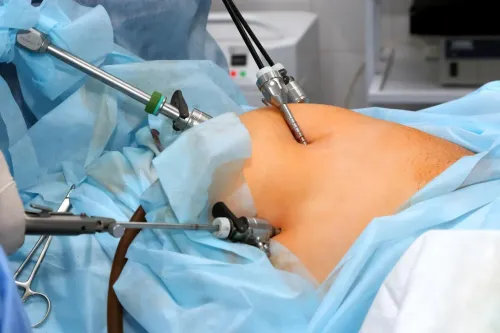
Many people associate gynecology clinics only with pregnancy care, but women's healthcare extends far beyond maternity services. Choosing a trusted gynecology clinic ensures access to comprehensive care throughout different stages of life.
Gynecological health changes with age, lifestyle, hormonal balance, and family history. Regular check-ups help identify concerns early while supporting overall reproductive wellness.
A modern gynecology clinic typically manages:
- Menstrual disorders
- PCOS and hormonal imbalance
- Fertility evaluation
- Pregnancy care
- Menopause management
- Cervical health screening
- Ovarian cyst assessment
- Pelvic pain evaluation
- Family planning guidance
Preventive healthcare is one of the most important benefits of routine gynecological visits. Conditions such as cervical abnormalities, fibroids, endometriosis, or ovarian cysts often develop gradually and may not cause noticeable symptoms in the early stages.
Women frequently delay seeking medical advice because they assume irregular periods or pelvic discomfort are normal. However, persistent symptoms deserve professional evaluation. Early diagnosis usually expands treatment options and may help prevent future complications.
Lifestyle counselling also forms an important part of gynecological care. Discussions may include:
- Balanced nutrition
- Healthy body weight
- Exercise recommendations
- Stress management
- Reproductive planning
- Bone health
- Preventive screening schedules
For women planning pregnancy, routine gynecological care improves preparation by identifying nutritional deficiencies, chronic medical conditions, or reproductive issues before conception.
Patients from HSR Layout often prefer clinics that provide coordinated care, allowing investigations, consultations, and follow-up visits to be managed efficiently. This continuity helps doctors monitor health changes over time and personalize treatment recommendations.
Dr. Suparna Ganguly provides gynecological care that addresses preventive health, pregnancy management, fertility concerns, menstrual disorders, and minimally invasive treatment options whenever appropriate. The focus remains on evidence-based care tailored to each patient's medical needs rather than standardized treatment approaches.
Women's health needs evolve throughout life, making regular gynecological care an essential part of overall wellbeing. Routine consultations, timely investigations, and open communication with your healthcare provider help maintain reproductive health, detect problems early, and support informed healthcare decisions for every stage of life.
Keywords