Menstrual health is an important part of a woman's overall well-being, yet many women ignore symptoms until they begin affecting work, studies, family responsibilities, or quality of life. Seeking help from a gynecologist for menstrual problems near BTM Layout can lead to an early diagnosis and appropriate treatment before the condition becomes more complicated.
Menstrual problems are not limited to irregular periods. Heavy bleeding, severe cramps, prolonged cycles, spotting between periods, and unusually light periods may all indicate an underlying health concern. While occasional changes can occur because of stress or illness, persistent symptoms deserve medical attention.
Menstrual Problems Can Have Many Causes
Every menstrual cycle is regulated by a delicate balance of hormones. When this balance is disrupted, periods may change in frequency, duration, or flow.
Some common causes include:
- Polycystic Ovary Syndrome (PCOS)
- Thyroid disorders
- Uterine fibroids
- Endometriosis
- Hormonal imbalance
- Adenomyosis
- Certain medications
- Significant weight changes
- Excessive physical activity
- Emotional stress
Finding the exact cause is the first step toward effective treatment.
Symptoms That Should Not Be Ignored
Women should consider a gynecological evaluation if they experience:
- Periods occurring too frequently or too far apart
- Heavy bleeding requiring frequent pad changes
- Severe menstrual cramps
- Bleeding between periods
- Menstrual cycles lasting longer than seven days
- Missed periods without pregnancy
- Persistent pelvic pain
Ignoring these symptoms may delay diagnosis and allow some conditions to progress.
How Menstrual Disorders Are Diagnosed
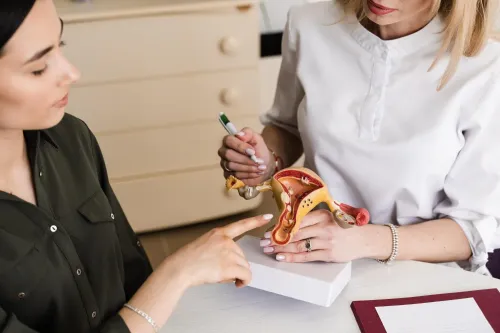
A gynecologist will recommend investigations based on age, symptoms, and medical history.
The evaluation may include:
- Detailed menstrual history
- Physical examination
- Pelvic ultrasound
- Hormonal blood tests
- Thyroid function assessment
- Pregnancy testing where appropriate
- Additional investigations if clinically indicated
A personalised evaluation helps identify the root cause rather than treating symptoms alone.
Treatment Depends on Individual Needs
There is no universal treatment for menstrual disorders because every woman's condition is different.
Management may involve:
- Hormonal medications
- Pain management
- Lifestyle modifications
- Nutritional guidance
- PCOS treatment
- Fibroid management
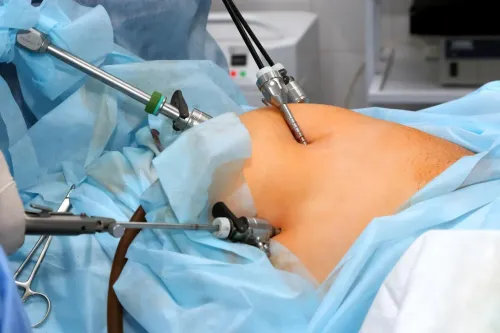
- Minimally invasive procedures for selected conditions
Treatment decisions are based on the diagnosis, age, future pregnancy plans, and overall health.
Healthy Lifestyle Habits Support Menstrual Health
Medical treatment works best when combined with healthy daily habits.
Women are often encouraged to:
- Maintain a healthy body weight
- Exercise regularly
- Eat a balanced diet
- Sleep adequately
- Manage stress effectively
- Attend regular gynecological check-ups
These measures can improve hormonal balance and overall reproductive health.
Timely Care Can Prevent Long-Term Complications
Women living around BTM Layout, Bengaluru, often choose nearby gynecological care because regular follow-up appointments are important when managing menstrual disorders. Early diagnosis can help prevent complications such as anaemia, fertility concerns, or worsening hormonal conditions.
Dr. Suparna Ganguly evaluates menstrual problems through a comprehensive approach that considers the patient's symptoms, medical history, and reproductive goals. Individualised treatment allows women to regain menstrual health while supporting long-term well-being.
Menstrual changes should never be accepted as something every woman simply has to live with. Seeking medical advice at the right time can make a significant difference in both comfort and overall health.
Keywords