For many expectant mothers, the thought of labour pain can create anxiety long before the due date arrives. Fortunately, advances in obstetric care have made it possible to manage labour pain safely through various techniques. Women searching for a painless delivery hospital near Hosa Road are often looking for reliable information about what painless delivery actually means and whether it is the right choice for them.
Painless delivery does not eliminate every sensation experienced during childbirth. Instead, it focuses on reducing labour pain while allowing the mother to actively participate in the birth of her baby. Understanding the available options helps expectant parents make informed decisions together with their obstetrician.
What Is a Painless Delivery
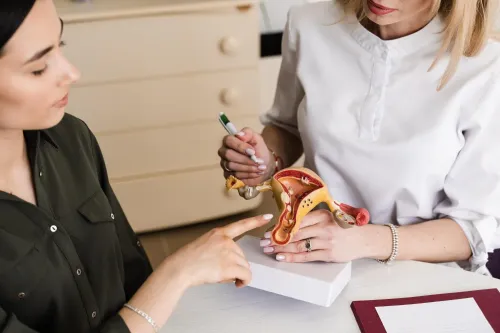
Painless delivery usually refers to labour with effective pain relief, most commonly through epidural analgesia. An epidural is administered by an anaesthesiologist and works by reducing pain signals from the lower part of the body while allowing the mother to remain awake and aware throughout labour.
Pain relief methods may vary depending on the mother's health, labour progress, and medical recommendations.
Who May Benefit From Labour Pain Management
Many healthy pregnant women can consider pain relief during labour. It may be especially beneficial for:
- First-time mothers
- Women with prolonged labour
- Mothers experiencing significant anxiety about childbirth
- Women carrying twins in selected cases
- High-risk pregnancies where controlled labour management is recommended
The decision is always made after evaluating both maternal and fetal health.
Common Misconceptions About Painless Delivery
Several myths prevent women from discussing labour pain relief with their doctor.
Some common misconceptions include:
- Pain relief always leads to a Caesarean section.
- Epidural completely stops labour.
- Mothers cannot push during delivery.
- It permanently affects the spine.
- Recovery takes much longer.
Modern obstetric practice and careful monitoring have shown that these beliefs are not generally supported when pain management is appropriately administered.
Preparing Before Labour Begins
Discussing pain management during antenatal visits helps women understand what to expect before labour starts.
Topics often include:
- Suitable pain relief options
- Medical eligibility
- Possible benefits
- Potential side effects
- Labour monitoring
- Birth preferences
- Emergency situations
Early conversations reduce uncertainty during labour.
The Importance of Continuous Monitoring
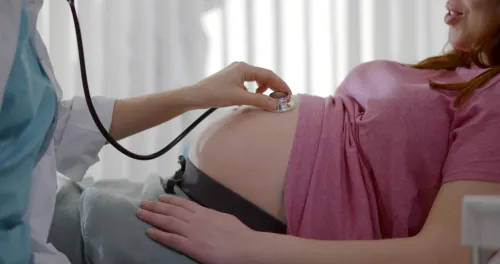
Labour requires close observation regardless of whether pain relief is used.
Healthcare teams monitor:
- Baby's heart rate
- Maternal blood pressure
- Labour progression
- Contraction pattern
- Maternal comfort
- Overall wellbeing
Continuous monitoring helps ensure safe decision-making throughout the delivery process.
Choosing the Right Maternity Team
Women looking for maternity services around Hosa Road, Bengaluru, often prefer hospitals and specialists who provide comprehensive antenatal care along with evidence-based labour pain management. Access to experienced obstetricians, anaesthesiologists, and neonatal support contributes to a well-coordinated childbirth experience.
Dr. Suparna Ganguly believes that every woman should have the opportunity to discuss labour pain management based on her individual pregnancy and medical condition. Rather than following a standard approach, care is planned according to the mother's health, pregnancy progress, and delivery preferences.
Every birth experience is unique. Understanding the available options allows expectant mothers to approach childbirth with greater confidence, realistic expectations, and informed decision-making.
Keywords