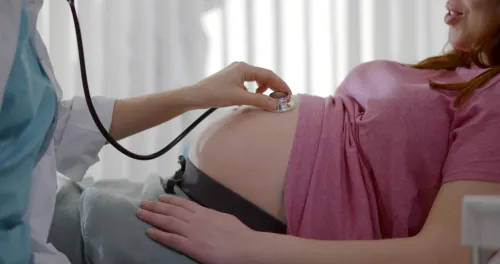
Polycystic Ovary Syndrome (PCOS) is one of the most common hormonal disorders affecting women during their reproductive years. While many people associate it only with irregular periods, PCOS can influence fertility, metabolism, skin health, weight management, and long-term well-being. Consulting the best gynecologist for PCOS in Electronic City can help women understand their condition and receive treatment that is tailored to their symptoms and future health goals.
Every woman's experience with PCOS is different. Some may have irregular menstrual cycles, while others struggle with acne, excessive hair growth, difficulty conceiving, or unexplained weight gain. Early diagnosis and consistent management can reduce the risk of complications and improve quality of life.
What Causes PCOS
The exact cause of PCOS is not fully understood, but several factors are believed to contribute, including:
- Hormonal imbalance
- Insulin resistance
- Genetic predisposition
- Lifestyle factors
- Excess androgen production
These factors can interfere with normal ovulation, making menstrual cycles irregular or absent.
Common Symptoms Women Should Not Ignore
PCOS symptoms can develop gradually and vary from person to person.
Some of the most common signs include:
- Irregular or missed periods
- Excess facial or body hair
- Persistent acne
- Oily skin
- Difficulty losing weight
- Hair thinning
- Dark patches on the skin
- Difficulty becoming pregnant
Women experiencing several of these symptoms should consider a medical evaluation rather than assuming they are temporary hormonal changes.
How PCOS Is Diagnosed
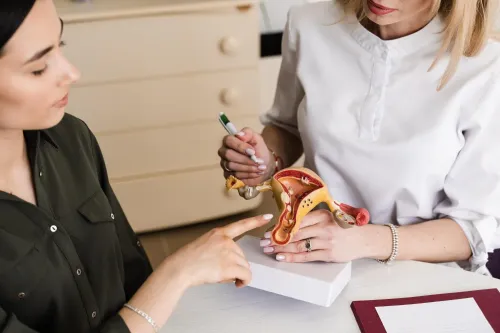
Diagnosis usually involves a combination of medical history, physical examination, ultrasound findings, and laboratory investigations.
A gynecologist may recommend:
- Hormonal blood tests
- Thyroid evaluation
- Blood sugar assessment
- Pelvic ultrasound
- Body weight assessment
Not every woman with PCOS has ovarian cysts visible on ultrasound, making comprehensive evaluation important.
Managing PCOS Beyond Medication
Treatment depends on individual symptoms, age, and future pregnancy plans.
Management often includes:
- Healthy dietary changes
- Regular exercise
- Weight management
- Stress reduction
- Hormonal medications when appropriate
- Ovulation support for women planning pregnancy
Many women notice significant improvements when lifestyle modifications are combined with medical treatment.
PCOS and Fertility
Although PCOS can affect ovulation, many women with the condition successfully conceive with appropriate medical guidance.
Depending on the situation, treatment may involve:
- Ovulation tracking
- Fertility medications
- Lifestyle optimization
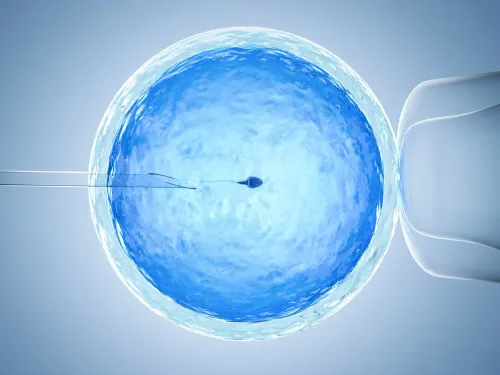
- Assisted reproductive techniques when necessary
Early intervention often provides more treatment options.
Why Long-Term Follow-Up Matters
PCOS is not a condition that should be ignored after symptoms improve. Regular follow-up helps monitor menstrual health, metabolic changes, and reproductive wellbeing over time.
Women living around Electronic City, Bengaluru, frequently seek specialized care because ongoing monitoring can reduce the risk of diabetes, hypertension, and other health concerns associated with PCOS.
Dr. Suparna Ganguly develops individualized treatment plans that consider both immediate symptom relief and long-term reproductive health. By addressing hormonal balance, lifestyle factors, and fertility goals together, women can better manage PCOS and make informed decisions about their future health.
Keywords