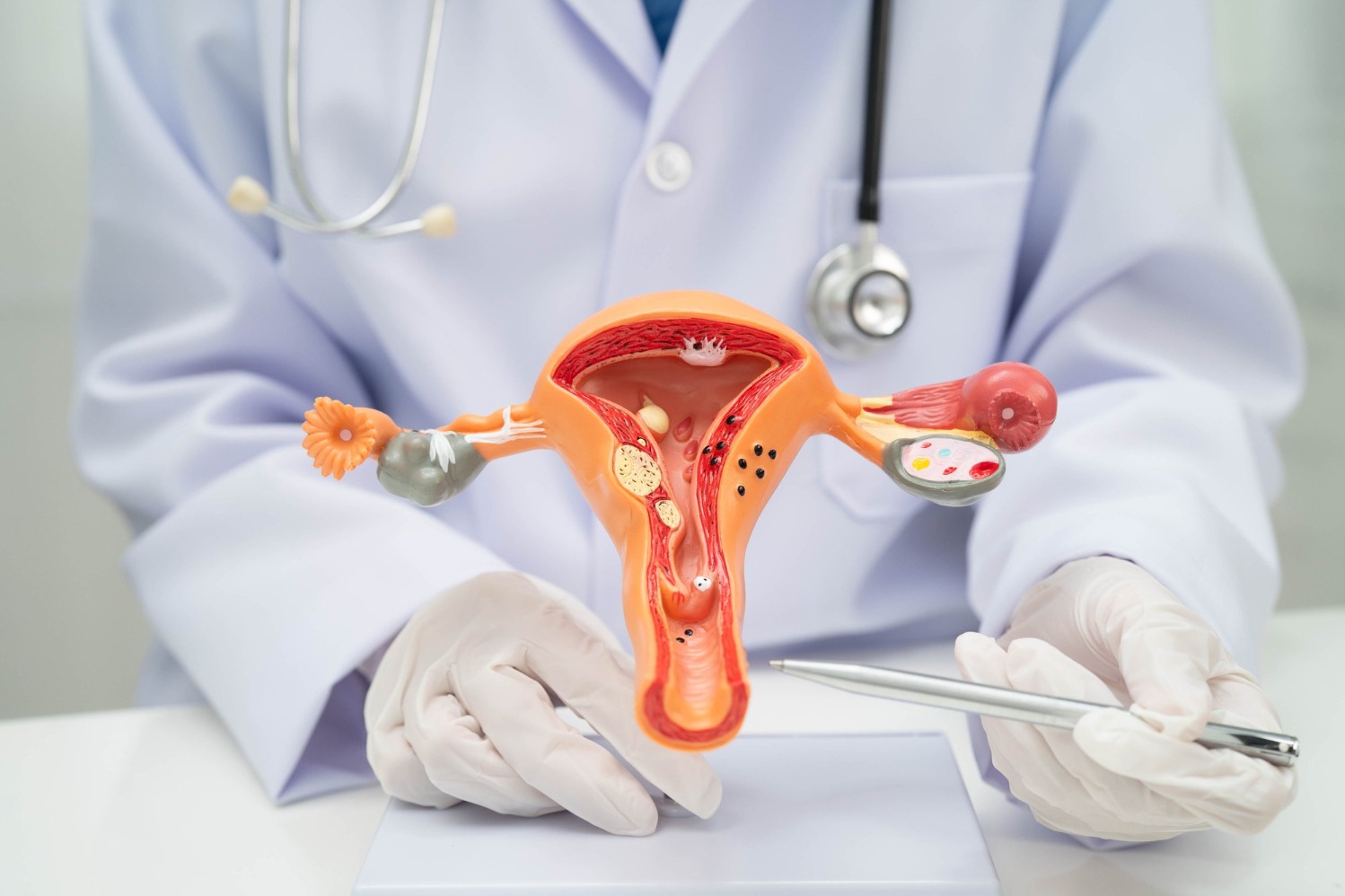
Comfort and communication can have a major influence on women’s healthcare. Gynecological consultations often involve private symptoms, reproductive concerns, menstrual history, pregnancy, and intimate examinations. Some patients therefore specifically prefer consulting a female doctor.
For women looking for a Lady doctor near Kudlu Gate, clinical experience remains important, but so do communication, consent, privacy, and the opportunity to ask questions without feeling rushed.
Why Communication Matters
Patients sometimes postpone discussing symptoms because they feel embarrassed or assume the problem is normal. This can happen with unusual discharge, painful intercourse, urinary symptoms, heavy bleeding, menstrual changes, or menopausal concerns.
A productive consultation should allow the patient to describe symptoms clearly and understand why particular examinations or investigations are being recommended.
What Can Be Discussed?
A gynecological consultation can cover a wide range of issues, including:
- Menstrual cycle changes
- Pelvic pain
- Reproductive planning
- Contraception
- Pregnancy concerns
- Vaginal symptoms
- Menopause
- Previous miscarriage
- Fertility-related questions
- Preventive screening
Patients do not need to determine which condition they have before seeking care. Explaining the symptoms and their timeline is usually the appropriate starting point.
Examinations and Investigations
Not every consultation requires a pelvic examination. The doctor determines whether an examination is clinically useful based on the symptoms and explains the reason for it.
Where appropriate, blood tests, urine tests, ultrasound, cervical screening, or other investigations may be suggested.
Consent is important. Patients can ask what an examination involves and why it is being performed.
Treatment, Benefits and Risks
Treatment varies according to diagnosis. Some conditions require only observation or lifestyle measures. Others may need medication, hormonal treatment, further investigations, or a gynecological procedure.
Benefits and risks should be considered together. Medicines can have side effects, while procedures have risks that vary according to their nature. Patients should understand alternatives and expected outcomes before making treatment decisions.
Preparing for Your Visit
Keep a record of recent menstrual dates and symptoms. Bring previous scans, prescriptions, laboratory reports, and a list of medicines.
After the appointment, follow the treatment plan and attend scheduled reviews. There is no routine recovery period after a consultation, although any procedure may have its own recovery instructions.
For women in Bengaluru, Karnataka, choosing a doctor who offers continuity can be especially helpful during pregnancy or when a gynecological condition needs monitoring over several months.
Frequently Asked Questions
Can I request a female gynecologist?
Yes. Many women prefer a female clinician for personal comfort.
Can I ask questions before an examination?
Yes. Patients should understand the purpose and nature of a proposed examination.
Should I postpone a visit during menstruation?
It depends on the reason for the appointment. Some consultations can proceed normally, while certain examinations may be scheduled differently.
When should heavy bleeding be assessed urgently?
Very heavy bleeding accompanied by faintness, weakness, severe pain, or other concerning symptoms should receive prompt medical attention.
Keywords