Pregnancy care is a process rather than a single appointment. From preparation before conception through antenatal monitoring and postpartum recovery, different stages require different kinds of guidance.
Families searching for an Obstetrics clinic near BTM Layout should therefore consider whether the care setting can support appropriate evaluation, regular follow-up, pregnancy education, and coordination when additional services are needed.
Begin With Preconception Health When Possible
Women planning pregnancy may benefit from reviewing their health before conception.
A preconception consultation can cover existing medical conditions, medicines, reproductive history, previous pregnancy complications, lifestyle factors, nutrition, and folic acid supplementation.
This is particularly useful for women who have diabetes, thyroid disorders, hypertension, previous miscarriage, or other relevant medical concerns.
Understand Early Pregnancy Assessment
After pregnancy is confirmed, the first visits establish important information about maternal health and the pregnancy.
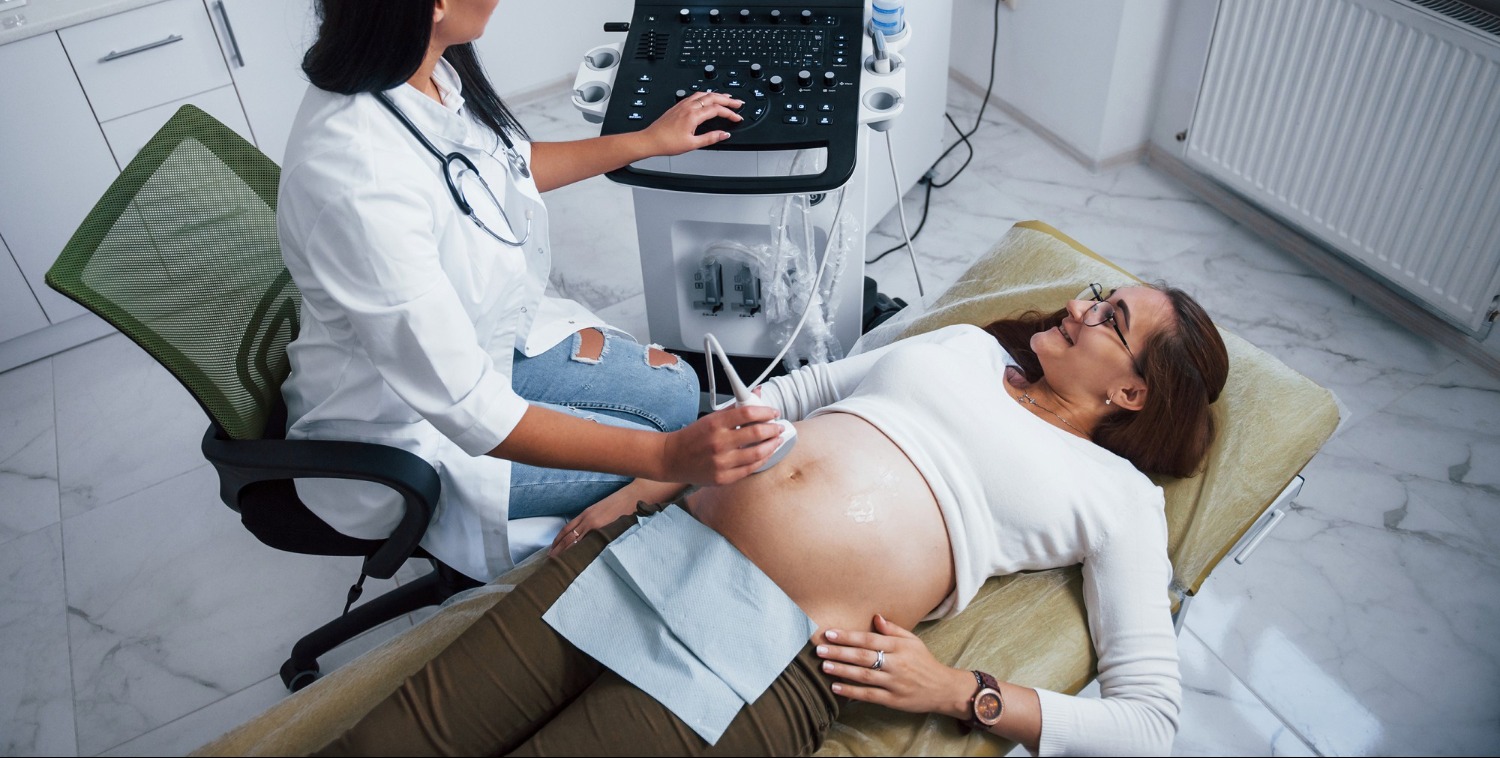
Depending on the clinical situation, the obstetrician may recommend blood tests, urine testing, ultrasound, or other investigations.
Patients should also receive guidance about medicines, supplements, nutrition, activity, and symptoms requiring medical attention.
Continuing Antenatal Monitoring
As pregnancy progresses, follow-up may assess maternal wellbeing and fetal growth.
Antenatal care can include blood pressure monitoring, appropriate laboratory investigations, ultrasound at clinically relevant stages, and discussion of fetal movement and delivery planning.
Women with additional risk factors may require more frequent reviews.
Preparing for Delivery
Later pregnancy consultations provide an opportunity to discuss childbirth and hospital planning.
The eventual mode of delivery depends on maternal and fetal circumstances. Although preferences can be discussed, medical conditions that develop during pregnancy or labour may change the safest approach.
Patients should understand where delivery is planned and how to obtain urgent assessment outside routine clinic appointments.
Recovery and Postnatal Care
Recovery after birth is highly individual.
After vaginal delivery, women may experience bleeding, perineal discomfort, fatigue, and other postpartum changes. Following caesarean delivery, abdominal wound recovery and activity restrictions also need attention.
Postnatal instructions may address:
- Pain management
- Wound or perineal care
- Bleeding
- Breastfeeding concerns
- Nutrition and hydration
- Gradual return to activity
- Contraception
- Follow-up appointments
Heavy bleeding, severe pain, breathing difficulty, fever, fainting, severe headache with concerning symptoms, or worsening wound problems require prompt medical assessment.
For patients in Bengaluru, Karnataka, practical access to an obstetrics clinic can make repeated pregnancy appointments and postpartum reviews easier to manage.
Dr. Suparna Ganguly provides obstetric and gynecological consultation for women at different reproductive stages, allowing care to be planned according to individual medical and pregnancy needs.
Frequently Asked Questions
When should I first visit an obstetrician after becoming pregnant?
After confirming pregnancy, contacting an obstetric care provider allows the appropriate timing of the first assessment to be determined.
Do all pregnant women need the same tests?
No. Some investigations are routinely considered, while additional testing depends on history, symptoms, age, and pregnancy findings.
How long does postpartum recovery take?
Recovery varies according to the mode of birth, complications, overall health, and individual circumstances.
What should I bring to obstetric appointments?
Keep previous scans, laboratory reports, prescriptions, medication details, and pregnancy records together so they are available for review.
Keywords