A reproductive-health assessment looks beyond the question of whether conception has happened yet. By the end, you will know what information to bring, why both partners are assessed, what common tests can reveal, and how clinicians combine the results into sensible next steps.
Key takeaways
- Bring menstrual dates, symptoms, medical history and previous test results.
- Both partners need assessment because fertility factors can affect either person.
- A single fertility test cannot confirm or exclude every cause of infertility.
- Seek assessment after 12 months of trying, or after six months if aged 35 or older.
What your reproductive-health history tells the clinician
Before ordering tests, a clinician reviews your menstrual history: cycle length, bleeding pattern, pain, missed periods and ovulation timing. Predictable cycles of roughly 21–35 days often indicate ovulation; irregular cycles, absent periods, nipple discharge or excess facial hair call for targeted hormone assessment.
The consultation also covers:
- Your age, prior pregnancies and miscarriages, contraception history, sexual history and how long you have tried to conceive.
- Medical conditions, medications, operations, infections and family history, including inherited conditions and early menopause.
- Lifestyle factors such as tobacco, cannabis, alcohol, weight changes, exercise, sleep, workplace exposures and stress.
- Both partners’ fertility history. For the male partner, ask about testosterone or anabolic-steroid use, heat exposure, testicular injury or surgery, sexual function and medicines; testosterone replacement can suppress sperm production.
| History detail | What it helps the clinician judge | Possible next step |
|---|---|---|
| Cycle length and ovulation timing | Whether ovulation is likely | Targeted hormone testing if cycles are irregular |
| Miscarriages and pregnancy records | Whether recurrent pregnancy loss needs focused review | Uterine, genetic or antiphospholipid testing when indicated |
| Medical conditions and medications | Risks affecting conception or pregnancy | Medication review and preconception care |
| Family history and lifestyle factors | Genetic, sperm or pregnancy risks | Genetic counselling or risk reduction |
Preconception care includes checking immunisations, sexually transmitted-infection risk and folic acid use. Take 400 micrograms of folic acid daily before conception and during early pregnancy unless your clinician prescribes a different dose.
Why both partners need assessment from the beginning
Male-factor infertility contributes wholly or partly to roughly half of infertility cases, so the male partner is evaluated while the female partner’s assessment begins. Waiting until one partner completes extensive testing delays answers and can leave a treatable factor undiscovered.
The clinician reviews:
- Prescription medicines, supplements, anabolic steroids and testosterone use. Testosterone replacement can suppress sperm production, so it is not a fertility-preserving treatment for low testosterone.
- Tobacco, cannabis, alcohol, occupational exposures and heat exposure from work, hot environments or frequent hot baths.
- Previous testicular injury, infection, surgery, chemotherapy or other conditions affecting sperm production.
- Sexual function, including erectile problems, ejaculation problems, intercourse frequency and pain.
A semen analysis usually comes early. It measures semen volume, sperm concentration, motility and morphology, but one sample does not fully characterise fertility because results vary between samples. If the first analysis is abnormal, the clinician commonly requests another sample after about a month or longer and interprets both results alongside the medical history.
The clinician may also order hormone tests or a physical examination when the history or semen findings suggest a hormonal or testicular problem. A normal semen analysis does not guarantee pregnancy, and an abnormal result does not prove that male factors are the only cause; both partners’ findings guide the next decision.
What each fertility test can and cannot show
An abnormal result answers one question, not the whole diagnosis. Clinicians choose a pregnancy test, complete blood count, thyroid-stimulating hormone and prolactin according to symptoms, medical history and treatment safety. FSH and luteinising hormone require correct cycle timing; a single value rarely explains fertility on its own.
| Test | Can show | Cannot show |
|---|---|---|
| Pregnancy test | Whether pregnancy is present before other decisions | Why conception has been difficult |
| AMH, early-cycle FSH and antral follicle count | Ovarian reserve and likely response to stimulation | Egg quality, spontaneous-conception chances or a guaranteed live birth |
| Pelvic ultrasound | Fibroids, polyps, adenomyosis, cysts, and features suggestive of polycystic ovary syndrome | That an abnormality causes infertility; size, location, symptoms and other findings matter |
| Hysterosalpingography | Uterine-cavity shape and fallopian-tube patency | Whether open tubes function normally or whether every pelvic condition has been excluded |
| Semen analysis | Sperm concentration, movement and shape in that sample | Complete male fertility; an abnormal result needs clinical context and usually a repeat sample |
Ovarian reserve testing guides treatment planning, not a general fertility score; age remains a stronger predictor of egg quality. A scan finding also needs correlation with ovulation, symptoms and treatment goals. If tubes appear blocked, clinicians interpret the result alongside history and consider further evaluation rather than assuming IVF is the only option.
The combined pattern, and repeat testing when results are abnormal, carries more weight than any isolated number.
When to seek assessment and how to prepare for it
Book an evaluation after 12 months under age 35 of regular, unprotected intercourse, or after 6 months ages 35 to 39. At age 40, fertility assessment should happen without delay. Book earlier for irregular periods, amenorrhea, suspected endometriosis, fibroids, pelvic surgery, cancer treatment including prior chemotherapy, recurrent pregnancy loss, or any known fertility concern.
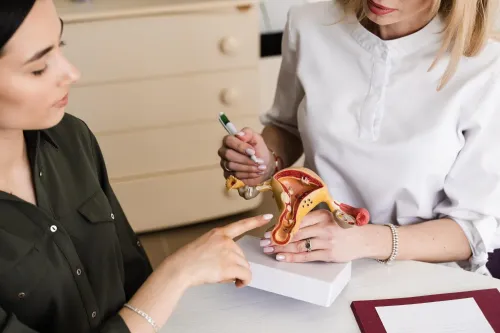
- At the first consultation, the clinician confirms your goals and reviews cycle timing, ovulation symptoms, previous pregnancies, contraception, medical conditions, medicines, sexual health and family history.
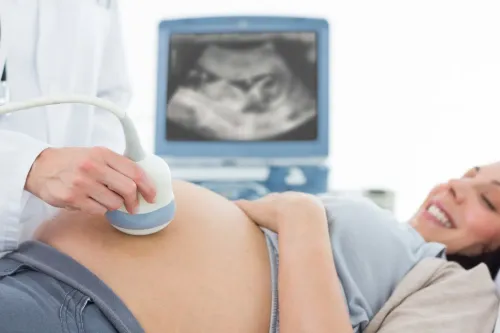
- The clinic may arrange a pregnancy test, blood tests such as thyroid-stimulating hormone and prolactin, and an ultrasound. A pelvic ultrasound can assess the uterus, ovaries, fibroids, polyps, cysts and antral follicle count; ask whether you need a full bladder.
- The male partner usually provides a semen sample and discusses medicines, testosterone or anabolic-steroid use, heat exposure, tobacco, cannabis, alcohol, injuries and sexual function. Follow the laboratory instructions before semen collection, including the requested abstinence period and collection method.
- Tubal testing with hysterosalpingography or a contrast ultrasound is scheduled when indicated. Ask how many visits the testing cycle requires, because blood tests, ultrasound and tubal assessment may fall on different cycle days.
Record your period start dates, medications and previous reports before attending. Do not interpret an ovarian-reserve result as a general fertility score; age and the combined findings guide the next decision.
How results become a reproductive-health plan
Pregnancy can still occur without treatment in reduced fecundability, while infertility means conception has not occurred after the expected period of trying or a clear condition prevents it. A clinician combines age, ovulation, semen parameters, tubal status, medical conditions and pregnancy history rather than diagnosing infertility from one abnormal result.
Age-related egg quality influences the live-birth chance more strongly than an ovarian-reserve number.
A practical plan may include:
- If timing, ovulation or intercourse frequency explains a lower chance per cycle, improve those factors and set a review date rather than moving straight to IVF.
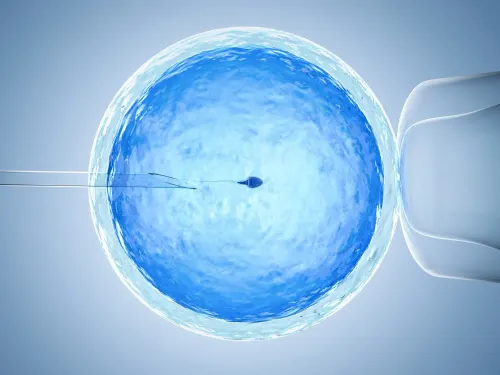
- If age, tubal blockage, severe sperm abnormality or prolonged trying reduces the probability substantially, discuss evidence-based treatment options such as ovulation treatment, intrauterine insemination or IVF.
- If scans show fibroids, polyps, adenomyosis or another concern, relate the finding to its size, location, symptoms and uterine anatomy before treating it.
- After recurrent pregnancy loss, review pregnancy records and consider antiphospholipid syndrome testing, parental or pregnancy genetic testing and targeted uterine assessment; broad immune panels are not routine.
- Complete preconception care with folic acid 400 micrograms daily, chronic disease medication review, immunisation checks and sexually transmitted infection risk assessment.
Dr Suparna Ganguly can use this combined picture to match testing and treatment to your goals, while explaining what each result changes—and what it does not.
Related services
Infertility Treatment ₹700 Dr. Suparna Ganguly offers comprehensive infertility evaluation and treatment for couples seeking expert guidance on their journey to parenthood. View service → |
Family Planning & Contraceptive Family Planning & Contraceptive ₹700 Dr. Suparna Ganguly provides comprehensive Family Planning and Contraceptive Services to help individuals and couples make informed decisions about... View service → |
Frequently asked questions
What does a reproductive-health history tell a fertility clinician?
Your cycle length, bleeding pattern, pain, missed periods and ovulation timing help identify whether you are likely ovulating. Irregular cycles, absent periods, nipple discharge or excess facial hair can guide targeted hormone testing.
Why should both partners have fertility assessments from the beginning?
Fertility factors can affect either partner, so assessing both people prevents delays and avoids placing responsibility on one partner without evidence. The clinician can then choose tests for sperm health, ovulation, reproductive anatomy and other relevant factors.
What can fertility tests show?
Each test answers a specific question. Hormone tests assess selected aspects of ovulation and ovarian function, semen analysis evaluates sperm concentration, movement and shape, and scans examine reproductive anatomy. No single test explains every fertility problem.
When should you seek a fertility assessment?
Seek assessment after 12 months of regular unprotected sex without pregnancy, or after six months when the person trying to conceive is aged 35 or older. Seek help sooner for absent or very irregular periods, severe pelvic pain, known reproductive conditions or concerns about sperm health.
Related service
Gynecologist Gynecologist ₹700 Dr. Suparna Ganguly is a trusted and experienced Gynecologist in Electronic City, Hosa Road, Bangalore, providing comprehensive healthcare services... |